

My thoughts
By Luciana Armellini
Linguist and teacher
Share:

1) Come hai scelto la tua professione ?
Ero in quarta liceo scientifico, durante una gita scolastica, quando il mio professore di filosofia, tra una chiacchiera e l’altra sul futuro di noi ragazzi, mi disse con convinzione: “Tu farai l’insegnante !”. La mia risposta, lapidaria ed un po’ insolente fu : “Manco morta !”
In realtà dopo la laurea (era il 1974) mi si prospettavano alcune possibilità di scelta: una prima esperienza lavorativa nell’ambito della pubblicità, un’ulteriore specializzazione universitaria, qualche piccola esperienza nel giornalismo; l’insegnamento non era tra le opzioni. Poi, mentre mi sperimentavo in attività varie, un’amica e compagna d’università mi informò che avrebbe seguito I corsi abilitanti all’insegnamento proprio allora banditi e mi chiese di supportarla con la mia presenza perché si sentiva insicura ed intimorita. Senza troppa convinzione, decisi di accettare e, siccome non mi piacciono le mezze misure, mi iscrissi anch’io, pur sapendo che l’impegno sarebbe stato notevole; ma con la baldanza tipica della gioventù ero certa di poter gestire un po’ tutti i miei tentativi di “attività”. Nell’ambito dei corsi abilitanti, oltre le lezioni teoriche, era obbligatoria l’attività didattica sul campo, guidata da un tutor, per un totale di 300 ore di “insegnamento” in una classe di terza media… Alla trecentesima ora avevo scelto; o meglio… l’insegnamento mi aveva scelto !
I was in the fourth year of liceo scientifico (Italian grammar school), during a school trip, when my philosophy teacher, while chatting to us kids about our future, exclaimed: “You will become a teacher!”. My lapidary and somewhat insolent response was: “Not even dead!”
In fact, after graduating (it was 1974) I had a few possible choices: a first work experience in advertising, further university specialisation, some small experience in journalism; teaching was not among the options. Then, while I was experimenting with various activities, a friend and university classmate informed me that she would follow the teaching courses that had just been advertised and asked me to support her with my presence because she felt insecure and intimidated. Without much conviction, I decided to accept and, since I don’t like half measures, I signed up too, even though I knew it was a huge commitment. Still, with the typical boldness of youth, I was sure I could manage everything at once. As part of the qualifying courses, in addition to the theoretical lessons, there were 300 hours of actual teaching in an eighth grade class… At the three hundredth hour I had chosen; or better… teaching had chosen me!
2) Come si trasmette la passione per una materia ?
E’ difficile trasmettere la passione per una materia se non la si ama profondamente, ma occorre anche renderla viva, farne emergere il senso e lo scopo profondi, quello che i ragazzi chiamano “l’utilità”. E poi occorre veicolare i concetti, gli argomenti con un linguaggio non paludato, empatico, chiaro, direi sempre “scientifico” nel senso più ampio della parola, ma soprattutto stimolante, interrogativo: se non si desta la curiosità non si arriva a nulla.
It’s difficult to convey passion for a subject if you don’t love it deeply, but it’s necessary also to make it alive, bring out its deep meaning and purpose, what the kids call “usefulness”. And then it is necessary to convey the concepts, the arguments with a language that is non-pompous, empathetic, clear, I would always say “scientific” in the broadest sense of the word, but above all stimulating, intriguing: if curiosity is not aroused, nothing will be achieved.
3) Quali sono gli elementi chiave di un buon sistema educativo ?
Per trattare questo argomento scinderei il discorso in due parti: a) sul piano politico/amministrativo occorrono volontà, risorse, competenza, organizzazione e sburocratizzazione (!!!!!!); b) sul campo occorrono competenza degli insegnanti (che dovrebbero essere periodicamente valutati da esperti veri!), rispetto dei ruoli e stretta collaborazione dei genitori, supporto psicologico qualificato per tutti (studenti, genitori, insegnanti).
To deal with this topic I would divide the discussion into two parts: a) at the political level, will, resources, competence, organisation and anti-bureaucratisation are essential; b) in practice, it is essential to have competence from the teachers (who should be periodically evaluated by real experts!), respect and close collaborations from the parents, qualified psychological/pastoral support for everyone (students, parents, teachers).
4) Come si usano le critiche ed i giudizi per migliorare il lavoro di uno studente ?
Il termine “giudizio” non mi è mai piaciuto; un insegnante pianifica, in modo flessibile, per e con lo studente un percorso di crescita di competenze, culturale, ed umana. Dunque deve verificare, accompagnare (non giudicare) il procedere di questo percorso per far emergere le potenzialità e le criticità. E’ ovvio che ci sono le difficoltà, gli ostacoli, gli esiti negativi; proprio qui è fondamentale il ruolo dell’insegnante, che deve segnalare e far comprendere che l’errore, l’esito negativo non sono un fallimento della persona, ma il prodotto di un lavoro da rivedere, da affrontare in altro modo, da un’altra prospettiva. La critica va praticata in forma empatica, ma è indispensabile ai ragazzi per prendere coscienza di sé, dei propri talenti (tutti ne abbiamo almeno uno !) e delle proprie “disabilità” (tutti ne abbiamo anche più di una !), per prendere coraggio e determinazione.
I have never liked the term “evaluation”; a teacher plans, flexibly, for and with each student a path of growth of cultural and human skills. So you have to check and foster (not judge) the progress on this path to bring out the potentials and the challenges for each student. It is obvious that there are difficulties, obstacles, negative outcomes; there lies the fundamental the role of the teacher, who must point out and make people understand that the error, the negative outcome is not a personal failure, but he indication that the work needs to be reviewed/improved, and perhaps addressed elsewhere, from another perspective. Criticism must be delivered in an empathetic form, but it is indispensable to young people to become aware of themselves, of their talents (we all have at least one!) and of their own “shortcomings” (we all have more than one!), to gain courage and determination.
5) Come descriveresti il rapporto ideale fra studente e docente nel contesto educativo ?
Il rapporto tra studente e docente è innanzi tutto un rapporto tra persone che hanno delle aspettative l’uno nei confronti dell’altro e per se stessi. Lo studente ideale si aspetta dal docentepreparazione, passione per il suo lavoro, chiarezza, disponibilità, rispetto, sostegno, fiducia, correttezza: se trova nel suo insegnante tutto ciò gli riconoscerà autorevolezza. Dal canto suo il docente ideale si aspetta dallo studente voglia di conoscere, curiosità dunque, poi impegno, carattere (anche se ancora in formazione), rispetto per gli altri e per lo studio: se trova nello suo studente tutto ciò ne trarrà ulteriore stimolo per guidarlo nella sua crescita umana. Il rapporto ideale fra studente e docente è un’apertura bilaterale di credito senza data di scadenza.
The relationship between student and teacher is first and foremost a relationship between people who have expectations of each other and of themselves. The ideal student expects from the teacher preparation, passion for his work, clarity, availability, respect, support, trust, correctness: if they find all this in their teacher, they will recognise the teacher’s leadership. For their part, the ideal teacher expects the student to want to know, therefore curiosity, then commitment, character (even if still under development), respect for the others and for studying: all this, if found in a student, will further inspire the teacher to guide him in his human growth. The ideal relationship between student and teacher is a bilateral “granting of credit” without an expiration date.
6) Come si fa a mantenere vivo l’amore per l’apprendimento durante il corso di tutta una vita ? Secondo te questa è un’arte che si può insegnare ?
Non credo che l’amore per l’apprendimento sia un’arte e nemmeno che si possa insegnare. Credo sia un’aspirazione che ha radici profonde e che non è coltivata da tutti, purtroppo. E’ figlia di un’attitudine con cui si nasce, ma va alimentata da subito e per sempre; non sempre e non tutti però si ha la fortuna di incontrare sulla nostra strada i giusti stimoli e le giuste guide. Una volta giunti ad essere adulti strutturati poi sono tanti gli impedimenti, gli ostacoli, i problemi della vita che sottraggono tempo ed energie al nutrire quella originale aspirazione; troppo spesso la si lascia svanire senza rendersi conto di quale risorsa di vita essa sia.
I don’t believe that the love of learning is an art or even that it can be taught. I believe it is an aspiration that has deep roots and that is not cultivated by everyone, unfortunately. It’s the daughter of an inclination people are born with, but must be nurtured immediately and forever. Unfortunately, not everyone is lucky enough to encounter the right stimuli and the right guides on their path. Once we become structured adults, there are many impediments, obstacles and problems in our lives that take time and energy away from nourishing that original aspiration; too often we let it vanish without realising what a key resource it is for one’s life.
7) Se dovessi tenere un ciclo di lezioni ad una classe di alieni (perfettamente capaci di apprendere, ma con nessuna conoscenza del nostro mondo) quale argomento sceglieresti ?
Bell’impegno, bella sfida sarebbe !!! Ma forse, essendo stati capaci di arrivare fin quaggiù, saprebbero già tutto di noi e seguirebbero le mie lezioni solo allo scopo di testare la mia ignoranza . A parte queste amenità… Credo che sarebbe necessario costruire delle lezioni comparando e sviluppando in maniera sincretica, confluente le tappe dell’evoluzione umana in chiave storica e scientifica e le problematiche che ne hanno segnato ogni fase. O magari sarebbe meglio una full immersion nella storia dell’arte e della musica, che sono linguaggi universali preposti al nutrimento dell’intelletto e dello spirito.
That would be a cool commitment, a cool challenge!!! But perhaps, having been able to get down here, the aliens would already know everything about us and would follow my lessons only for the purpose of testing my ignorance. Apart from these jokes… I believe that it would be necessary to build a cycle about the stages of human evolution in a historical and scientific key, following a syncretic and comparative manner, studying the problems that have marked each phase. Maybe also a full immersion in the history of art and music, which are universal languages responsible for the nourishment of the intellect and the spirit.
Comments
If you have any comments, questions, or an observations about this article, please do feel free to leave a comment below and we will make every endeavour to respond.
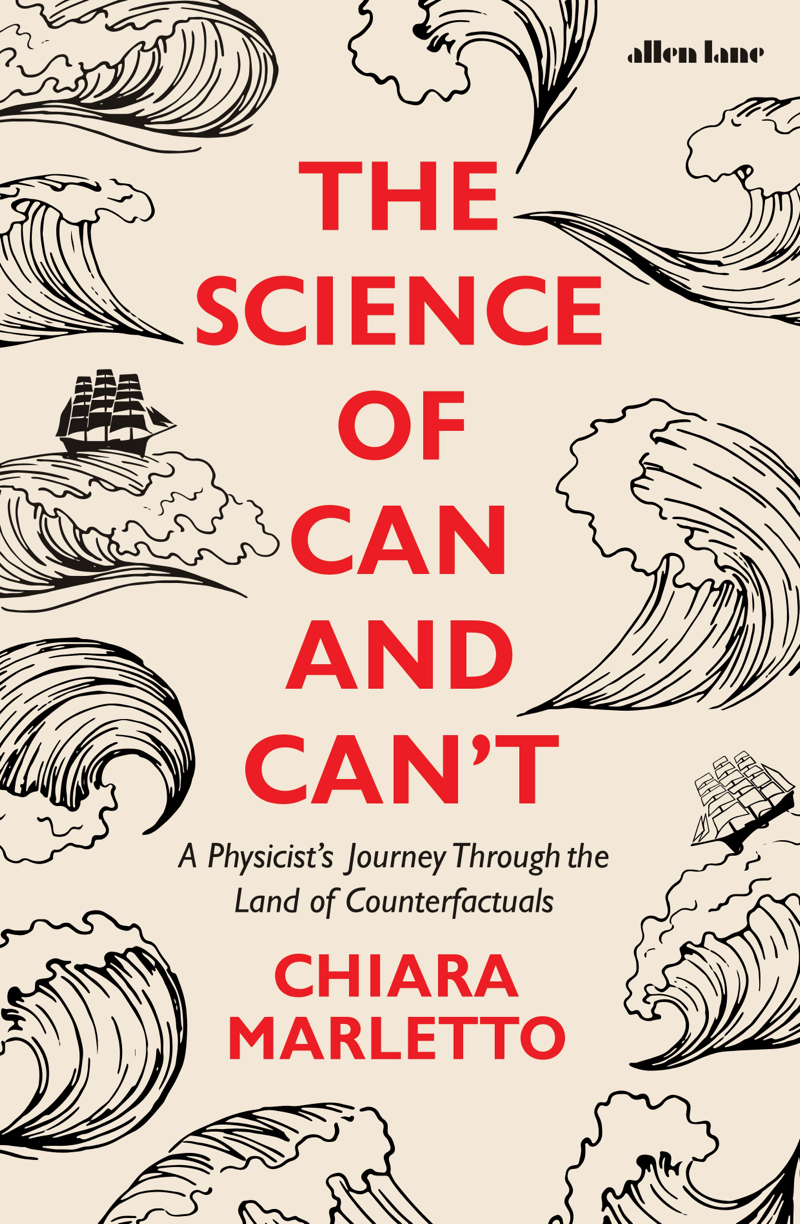
THE SCIENCE OF CAN AND CAN’T
A Physicist’s Journey Through the Land of Counterfactuals
A luminous guide to how the radical new science of counterfactuals can reveal the full scope of our universe
There is a vast class of properties that science has so far almost entirely neglected. These properties are central to an understanding of physical reality both at an everyday level and at the level of fundamental phenomena, yet they have traditionally been thought of as impossible to incorporate into fundamental explanations. They relate not only to what is true - the actual - but to what could be true - the counterfactual.
This is the science of can and can't.